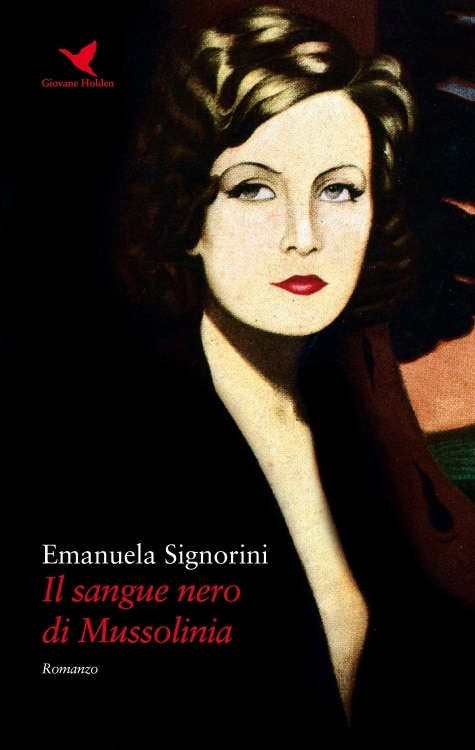
The black blood of Mussolinia
Emanuela Signorini
Il sangue nero di Mussolinia
Catcher in the Rye editions
Synopsis
The story unfolds during a week in late summer 1931 in a recently reclaimed area of Sardinia, home to the new town of Mussolinia (now Arborea di Sardegna). This town, inhabited by extremely poor, large families, mostly Venetians, relocated to work the land by the Sardinian Land Reclamation Company, with the approval of the fascist regime. One Monday morning, amidst dust and prickly pears, two young children are found murdered: she is Venetian, he is a Sardinian shepherd from Terralba. Immediately, the young Salesian parish priest of Mussolinia, Don Massimo, originally from Venice, is drawn into the investigation. Countless characters emerge. All, for one reason or another, stand in the way of the priest who, with the help of the Carabinieri marshal and the doctor, wants to discover what happened. Complicating matters further is Donna Erminia, wife of Manlio Dolce, president of the Sardinian Land Reclamation Company. Wealthy, spoiled, and shameless, she sees the young priest as an erotic plaything, like the many lovers she has had; a man to be possessed at all costs, for the sake of having something forbidden for herself. However, as she follows the parish priest in his investigations, with the not-so-hidden goal of deceiving him, her attitude gradually changes, and she herself becomes the key to the entire story. Amidst twists and turns, unlikely culprits, and unspeakable secrets, the oppressive presence of a city, Mussolinia, weighs heavily, a city to which, by contract, obedience, sweat of the brow, and above all, impeccable morality are owed. Mussolinia is a work colony: there is no room for love or passion; the city whose name was erased in 1944 by royal decree from documents, maps, books, history, and memory is the true protagonist of the mystery.
partner




in collaboration with

with the support of