Accabadora
Michela Murgia
Accabadora
Einaudi
Synopsis
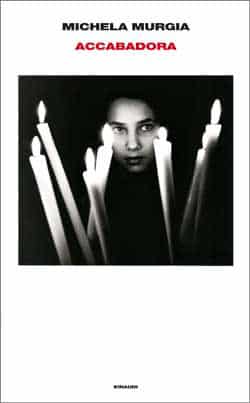
Why Maria ended up living in Bonaria Urrai's house is a mystery that Soreni struggles to fathom. The old woman and the little girl walk the village streets, trailed by a stream of malicious comments, yet it's so simple: Aunt Bonaria has taken Maria in, will raise her, and make her her heir, asking in exchange for her presence and care when she needs it. The fourth child of a widowed mother, Maria is accustomed to thinking of herself, herself first and foremost, as "the last." This is why she never ceases to be amazed by the respect and attention of the old seamstress of the village, who has offered her a home and a future, but above all, lets her live and seems to want nothing in her place. "All of a sudden, it was as if it had always been this way, soul and daughter soul, a less guilty way of being mother and daughter." Yet there's something about this old woman dressed in black and her long silences, a mysterious aura that accompanies her, along with that hint of fear she sparks in the eyes of those who meet her. There are nocturnal outings that Maria intercepts but doesn't understand, and an almost millennia-old wisdom regarding matters of life and death. What everyone knows and Maria doesn't imagine is that Tzia Bonaria Urrai sews clothes and comforts souls, knows spells and hexes, but when necessary, she is ready to enter homes to bring a merciful death. Hers is the loving and final gesture of the accabadora, the last mother.
partner



in collaboration with

with the support of