The song of fortune
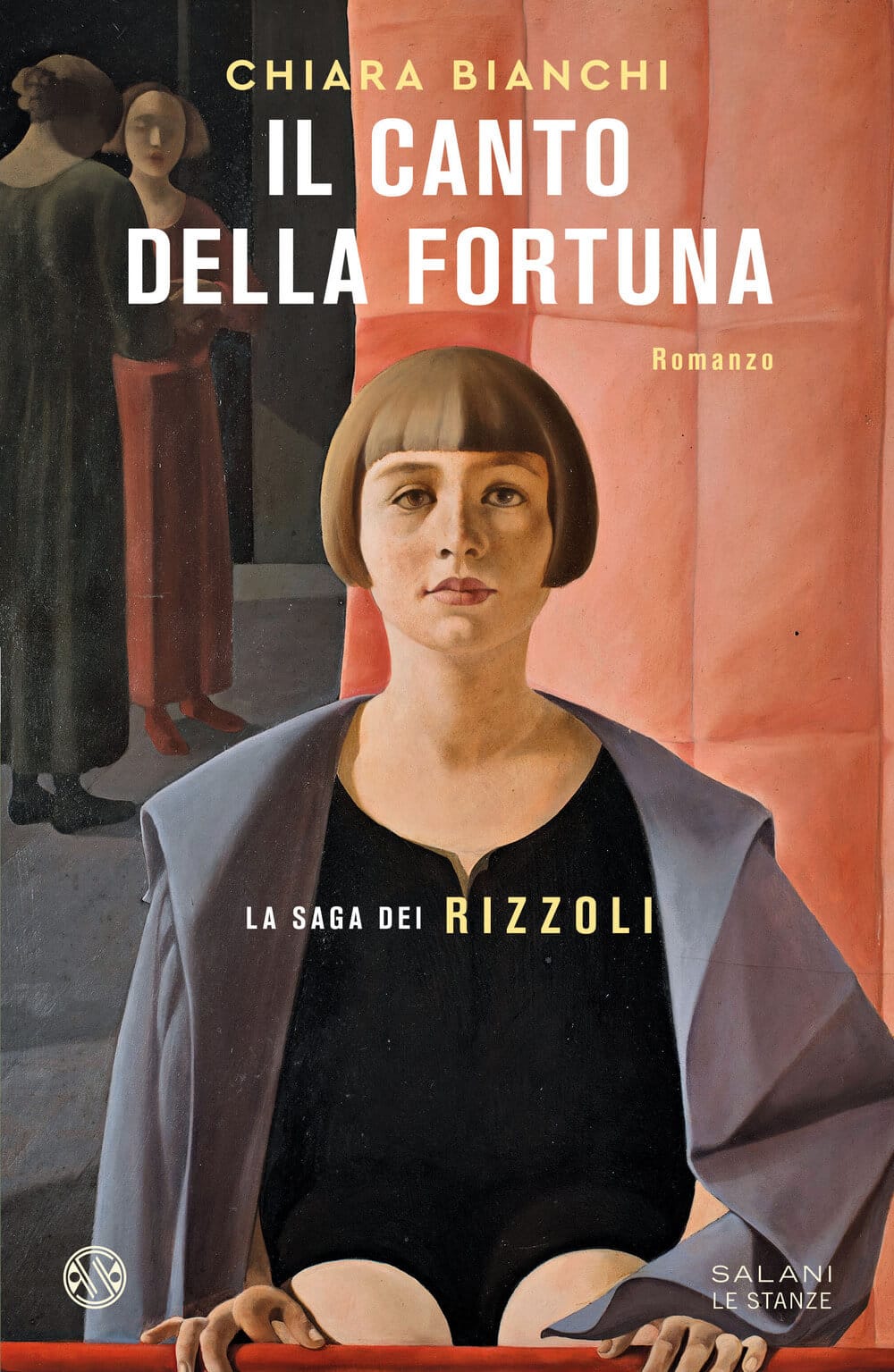
Synopsis
Milan, late 19th century. When he first enters the orphanage, Angelo Rizzoli is eight years old, wearing a sweater two sizes too big and adult shoes that make him walk like a duck. The official who registers him at the entrance writes on the admission form: "A life of hardship." In that small world full of rules—and punishments—Angelo is happy: poor among the poor, he learns that to get ahead you have to make sacrifices, take risks, and, above all, believe in yourself. He graduates from elementary school and finds a job in a goldsmith's shop, but that job isn't for him, just as being under a boss isn't for him. Then, almost by chance, he applies to a printing press. Intoxicated by the smell of ink, bewitched by all those typefaces neatly arranged in the typesetter's drawers, he finds his calling. And every day he becomes better at it, every day more determined. A few decades later, Angelo is on a flight to Los Angeles. He's holding a fake cigarette between his lips. He's the king of magazines, books, and cinema. He speaks on equal terms with the Prime Minister. He's surrounded by actresses and writers, careerists and enemies. He's made Ischia a little paradise. He's the patriarch of a turbulent family, whose reins he holds thanks to his wife, Anna. His son Andrea became the first president of a football team to lift the European Cup. His grandchildren are the heirs to a seemingly indestructible empire.
partner




in collaboration with

with the support of