Flowers hungry for life
Veronica Yoko Plebani
Fiori affamati di vita
Mondadori
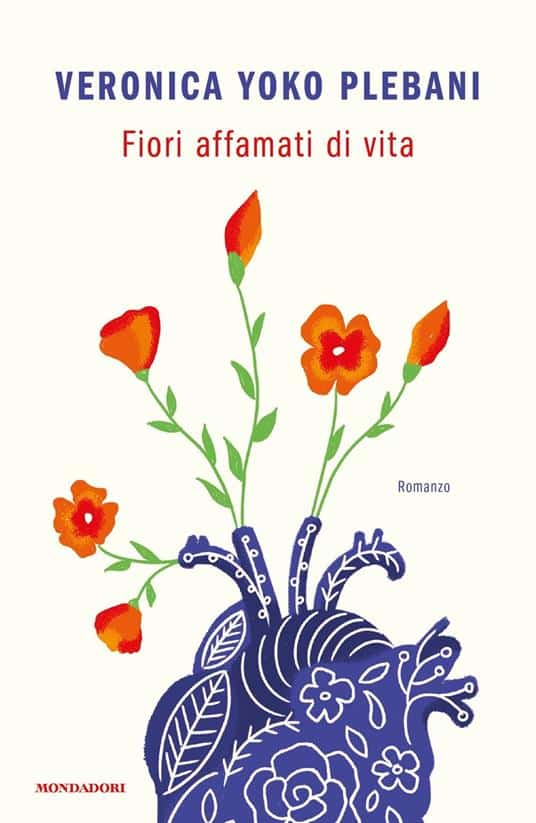
Synopsis
One evening, without warning, Yoko's life and body are changed forever. And even though nothing is different, it's as if everything has changed. But Yoko is not alone. There's her mother and her Eastern philosophies, the enthusiasm of her father Max, and the wisdom of her grandfather, but above all, there's Lu. Yoko and Lu have been friends forever, even though they are polar opposites. Yoko is stubborn, hyperactive, and extroverted, while Lu is thoughtful, taciturn, and insecure. They are two teenagers like any other in a provincial town like any other. Their bodies, inside and out, are transforming: they are marked, they evolve, they grow, like the desire to have new experiences, to discover the world, to live. After all, Yoko has change even in her name, in her destiny. "Daughter of the sun," "daughter of the ocean," "daughter of the leaves," and much more, since, as Lu says, Japanese names, depending on how they are written, take on different meanings. A bit like life, which, even when turned upside down, can always conceal an unexpected meaning. A bit like Yoko's body and her scars, which, upon closer inspection, seem like embroidery. Flowers Hungry for Life is a light-filled, sweet, and ironic novel about friendship, love, and self-acceptance. Despite one's body. Despite one's gender. Different, beautiful, ugly, strong, weak, right, wrong, straight, crooked, normal—after all, they're just categories with which one attempts to standardize what is, in fact, natural variety, and variety is beauty.
partner
in collaboration with
with the support of