The bitter water
Synopsis
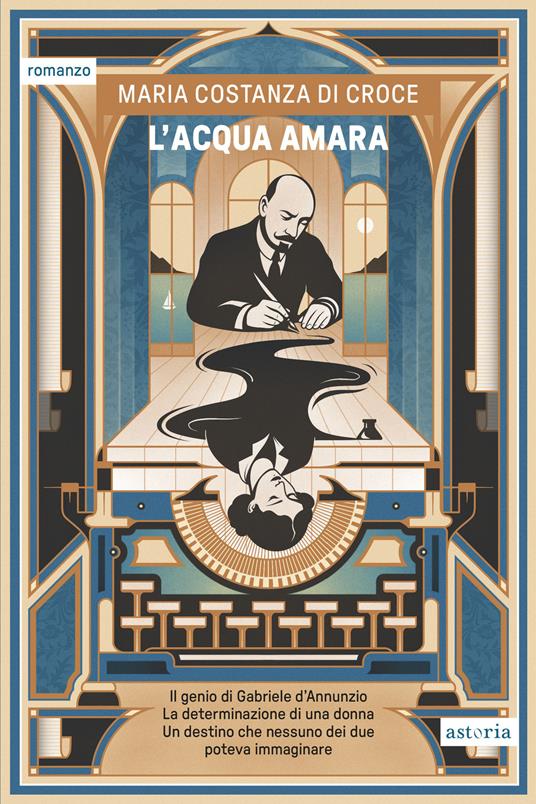
January 1921. Nina De Lellis is only fifteen, but she already knows what it means to be torn from everything she knows and loves. A fisherman's daughter, raised between the sand and sea of Abruzzo, she suddenly finds herself on Lake Garda, in a villa where the corridors are endless, the rules are inflexible, and everything revolves around a man who has transformed his life into a work of art and the lives of others into a tribute to his greatness: Gabriele d'Annunzio. But Nina is not a docile girl. Shame and pride, ferocity and amazement coexist within her. And her gaze can read beneath the surface; it allows her to resist Amélie, the jealous housekeeper who watches over her like a jailer; to understand Giulio, the young gardener whose body bears the scars of Caporetto and his soul the ruins of Fiume; but above all, to fascinate the Poet, who immediately recognizes Nina's lively intelligence and decides she is a diamond in the rough. To shine or to possess. Nina thus learns that knowledge can both save and wound, that love is not enough, that becoming oneself comes at a very high price. But she also learns to never give up on anyone: not on the men who want to shape her, not on the past that continues to torment her, not on the present that is transforming—outside the Vittoriale, in the squares, in the streets—into something new and ferocious, suffocating freedom. Bitter Water tells the story of a young woman living in the shadow of one of the most controversial and fascinating figures of the twentieth century. It tells of her hunger for books, of her body learning desire and pain, of her voice finally finding the courage to exist.
partner




in collaboration with

with the support of