A great family
Synopsis
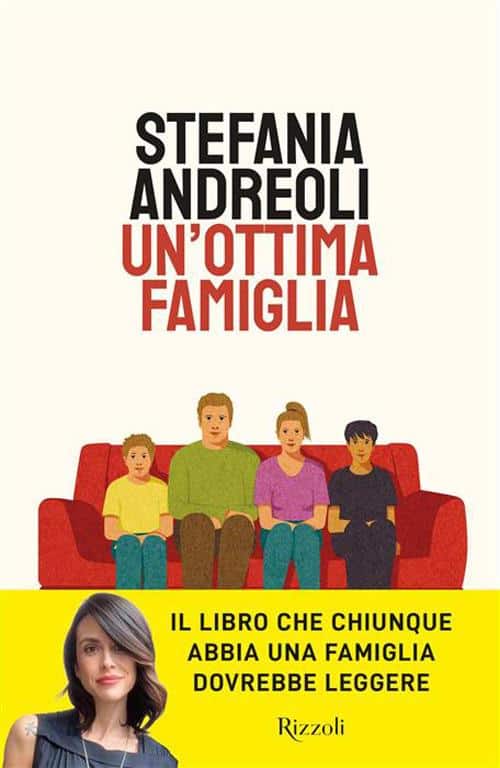
"Tore my shirt to stop you bleedin'… Na na na." Billie Eilish's song thumps rhythmically in Giulia's head. It's a song about the end of a party, oozing with blood and pain. Giulia, seventeen, can't believe she's ended up at the police station, subjected to a barrage of questions from two officers. She can't believe it because in Monchi, the small, quiet village where she lives—villas, manicured gardens, families gathering to celebrate birthdays—the blood and pain seem to belong to a distant universe, and it's inconceivable to witness the desperate rush of an ambulance carrying, teetering between life and death, an eight-year-old boy whose body has been torn apart by stab wounds. Giulia is before the investigators to help them identify the culprit: because she knows that boy, Filippo Costa, and she has a special bond with his family. Compared to Giulia's "disastrous" parents, the Costas have always been a dream: there for their children, exemplary in their balance between sports, education, and healthy eating, never an argument, never a yell, never a slap. A wonderful family. When the investigation concludes and the truth is established, harsh judgments will be circulated from mouth to mouth and across everyone's screens: "monster," "devil," "morbid secrets." But through Giulia's story and gaze, Stefania Andreoli will reveal to us, as always without compromise, a far more complex and elusive truth. And far more frightening. Because, beyond labels, evil can arise from seemingly innocuous actions, it can lurk within the smooth, well-oiled mechanisms. The only way to see it, and to prevent and avoid it, is to notice the void of gestures and emotions that can lie beneath a regular, reassuring, almost banal appearance.
partner

in collaboration with
with the support of